
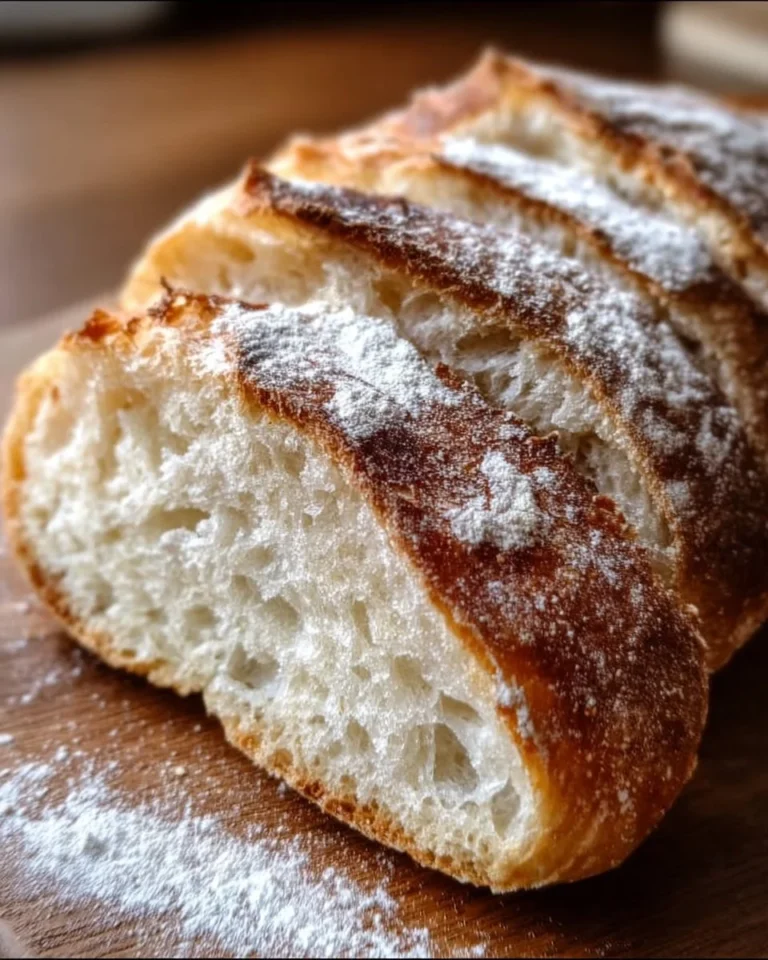
There’s something magical that happens when you bake a loaf of Sourdough French Bread. As the dough transforms under the warmth of the oven, it fills your kitchen with an intoxicating aroma that beckons every family member to gather round. The moment you break the crust, a delightful crackling sound fills the air, and you are met with an enchanting combination of textures—crisp on the outside, airy and tender on the inside. Each slice tempts you to take just one more piece, with its creamy softness and tangy, rich flavor that lingers on your palate long after the last bite.
Picture this: a sunny Saturday afternoon, you pull a freshly baked loaf from the oven, the steam rising and the smell of warm bread wrapping you in a comforting embrace. With each slice, you unleash a world of possibilities—a hearty sandwich, a base for garlic bread, or simply enjoyed with a smear of butter that melts into a pool of golden richness. Making your own Sourdough French Bread not only elevates your culinary skills but also creates a warm, inviting atmosphere that makes your house feel like home.
Why You’ll Love This Sourdough French Bread
This Sourdough French Bread stands out for a multitude of reasons. First and foremost, the taste is nothing short of heavenly. The natural fermentation of the sourdough starter imparts a unique tanginess that you simply can’t achieve with conventional bread. The balance of flavors creates a symphony on your taste buds, leaving you craving more.
Imagine enjoying this bread on a special occasion—perhaps a cozy dinner with friends, where it pairs beautifully with cheese boards and soups, or at family gatherings where it becomes the centerpiece of your Sunday brunch. It’s versatile enough to complement sweet and savory dishes alike, making it a must-have staple in your kitchen.
Not to mention, the satisfaction you get from making this bread from scratch is immeasurable. As you shape and knead the dough, you connect with age-old baking traditions. Each loaf becomes a testament to your efforts, patience, and love—a gift of taste that you share with those around you.
Preparation Phase & Tools to Use
Creating Sourdough French Bread does require a bit of patience, but the end result is undeniably worth the wait. Let’s talk about the essential tools you need:
-
Large Mixing Bowl: A good-sized bowl is essential for comfortably mixing the ingredients without spilling.
-
Measuring Cups and Spoons: Accurate measurements ensure that your bread turns out perfectly every time.
-
Dough Scraper: This handy tool comes in handy for managing your dough and scraping it off surfaces with ease.
-
Baking Sheet: A sturdy baking sheet provides a solid surface for your shaping and baking tasks.
-
Wire Rack: Allowing your bread to cool on a wire rack prevents sogginess, letting the crust remain crisp and fresh.
Preparation tips are straightforward. Make sure your sourdough starter is bubbly and active before you begin, as this will ensure the fermentation process is strong. Investing a bit of time earlier in the day for rising and kneading will yield bakery-quality results that will impress your family and friends.
Ingredients for Sourdough French Bread
This simple yet profound recipe requires only a few key ingredients:
-
3 cups all-purpose flour: Achieves the perfect balance of strength and tenderness. You can substitute bread flour for a slightly chewier texture or even whole wheat flour for a nuttier flavor.
-
1 cup sourdough starter: Your starter is the key to that characteristic tanginess. Make sure it’s bubbly and active for maximum flavor.
-
1 cup water: Essential for hydrating the flour and activating the gluten structure. Use room temperature water to help the starter work its magic.
-
1 teaspoon salt: Enhances flavor and controls fermentation. Opt for sea salt for the best taste.
These ingredients come together in a perfect harmony, allowing you to create a loaf that is not just good, but unforgettable.
How to Make Sourdough French Bread
-
Mix the Ingredients: In a large bowl, combine the all-purpose flour and salt. Stir well to ensure the salt distributes evenly.
-
Combine with Starter and Water: Add the bubbly sourdough starter and water to the bowl. Mix with your hands or a spoon until a shaggy dough forms, ensuring that there are no dry patches of flour remaining.
-
Knead the Dough: Turn the dough onto a floured surface and knead for about 10 minutes. You want a smooth, elastic texture that springs back when you press it lightly.
-
Let It Rise: Place the dough in a greased bowl and cover it with a damp cloth. Allow it to rise for 4-6 hours, or until it has doubled in size, which creates the airy pockets in your bread.
-
Preheat the Oven: Set your oven to 450°F (230°C) while the dough rises so it’s ready once your loaf is shaped.
-
Shape the Dough: Gently deflate the risen dough and shape it into a loaf. Transfer it to a baking sheet lined with parchment.
-
Bake the Bread: Slide the baking sheet into the preheated oven and bake for 30-35 minutes until the crust turns a deep golden brown and sounds hollow when tapped.
-
Cool and Slice: Allow the bread to cool on a wire rack for at least 30 minutes. Slicing too soon risks tearing the loaf apart, but the wait will be worth it!
Chef’s Notes & Helpful Tips
-
Make-Ahead Tips: Prepare your sourdough starter the night before and keep it at room temperature to activate quickly the next day.
-
Cooking Alternatives: You can adapt this recipe to your air fryer or Dutch oven for an even more gourmet baking experience, yielding a crust that rivals bakery loaves.
-
Customization Ideas: Experiment with add-ins like herbs, garlic, or olives for a unique twist on the traditional flavor.
Common Mistakes to Avoid
Avoid under-kneading the dough; this results in a dense, tough bread. On the other hand, over-kneading can lead to a rubbery texture. Keep an eye on your dough during its first rise—don’t rush the process, as the longer fermentation builds flavor and texture. Lastly, remember to allow the bread to cool completely before slicing; this will keep the interior moist and fluffy.
What to Serve With Sourdough French Bread
-
Homemade Soups: Perfect for dipping, the crusty exterior complements hearty minestrones or creamy tomato soups.
-
Charcuterie Boards: Pair slices with cured meats and cheeses—each bite balances the rich flavors beautifully.
-
Avocado Toast: Top thick slices with smashed avocado, cherry tomatoes, and a sprinkle of salt for a quick breakfast or snack.
-
Bruschetta: Toast slices lightly and pile on fresh tomatoes, basil, and a drizzle of balsamic for a refreshing appetizer.
-
Eggs Benedict: Use it as the foundation for this classic dish; the sourdough adds a unique element to the rich hollandaise.
-
Garlic Bread: Slather slices with garlic butter and herbs, then bake until golden for a crowd-pleasing side.
-
Sandwiches: The sturdy structure holds up to juicy fillings—turkey, roast beef, or even grilled vegetables.
-
French Toast: Dare to indulge by turning leftover slices into a decadent French toast the next morning.
Storage & Reheating Instructions
To maintain the freshness of your Sourdough French Bread, store it in a paper bag at room temperature for up to 3 days. For longer storage, wrap the bread in plastic wrap and freeze it for up to 3 months. To reheat, simply toast slices in the oven or on a skillet until warm, reviving that crispy crust and soft interior.
Estimated Nutrition Information
While precise values can vary, a typical slice of Sourdough French Bread contains approximately:
- Calories: 120
- Carbohydrates: 22g
- Protein: 3g
- Fat: 0.5g
Disclaimer: Nutrition information is approximate and can change based on specific ingredients used.
FAQs
Can I use whole wheat flour in this recipe?
Yes, whole wheat flour can be used for a denser loaf, but balance it with all-purpose flour for the best results.
How do I know if my sourdough starter is ready?
A fully activated starter should double in size within 4-6 hours after feeding and have a bubbly surface.
What if my bread didn’t rise?
This could be due to an inactive starter or insufficient rising time. Always ensure your starter is bubbly and check the temperature of your kitchen; it should ideally be warm for fermentation.
Can I make this recipe without a sourdough starter?
Yes, but the flavor will not replicate the tangy complexity of traditional sourdough. For a quick bread, consider a no-knead recipe with yeast instead.
How do I troubleshoot a dough that’s too sticky?
Flour your work surface generously and sprinkle more flour into the dough during kneading, but avoid adding too much to maintain the dough’s structure.
Conclusion
Baking homemade Sourdough French Bread is not just a task; it’s a journey filled with anticipation, warmth, and the glorious aroma wafting throughout your home. As you slice into your golden loaf, you’ll feel a sense of accomplishment that few activities can rival. So, roll up your sleeves, embrace the process, and create something truly special. Trust us, your taste buds—and your loved ones—will thank you!
PrintSourdough French Bread

A delightful recipe for baking your own Sourdough French Bread, with a crispy crust and airy interior, perfect for sandwiches and toast.
- Prep Time: 15 minutes
- Cook Time: 35 minutes
- Total Time: 240 minutes
- Yield: 1 loaf 1x
- Category: Bread
- Method: Baking
- Cuisine: French
- Diet: Vegetarian
Ingredients
- 3 cups all-purpose flour
- 1 cup sourdough starter
- 1 cup water
- 1 teaspoon salt
Instructions
- Mix the flour and salt in a large bowl.
- Combine with the sourdough starter and water, mixing until a shaggy dough forms.
- Knead the dough on a floured surface for about 10 minutes.
- Let it rise in a greased bowl covered with a damp cloth for 4-6 hours.
- Preheat the oven to 450°F (230°C).
- Shape the dough into a loaf and transfer it to a parchment-lined baking sheet.
- Bake for 30-35 minutes until golden brown.
- Cool on a wire rack for at least 30 minutes before slicing.
Notes
Make sure your sourdough starter is bubbly and active before use. You can also experiment with different add-ins like herbs or garlic for flavor.
Nutrition
- Serving Size: 1 slice
- Calories: 120
- Sugar: 0g
- Sodium: 400mg
- Fat: 0.5g
- Saturated Fat: 0g
- Unsaturated Fat: 0g
- Trans Fat: 0g
- Carbohydrates: 22g
- Fiber: 1g
- Protein: 3g
- Cholesterol: 0mg