
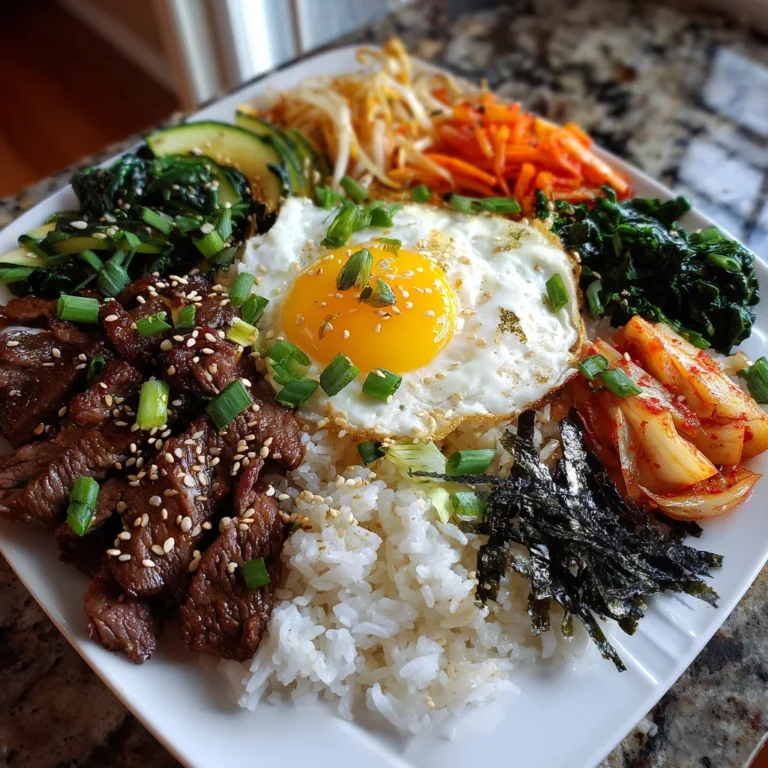
Introduction to Easy Korean Bibimbap
So, guys, this Easy Korean Bibimbap is a hearty embrace on a plate. For all you mothers or professionals, the ones juggling a zillion balls, this will be your savior to have this one pan of pretty rice bowl on one such busy day. To energetic vegetables and soft marinated beef, it’s not something only rich in taste but red in color as well. Picture perfect elusion right? How’s that an absolutely perfect dish for your busy weekdinner situation as well as comfort and nutrition comes home to your place begging for one hour of your time?
Why You’ll Love This Easy Korean Bibimbap
One easy Korean Bibimbap! Quick to whip up makes it a lifesaver for busy nights and totally customizable to cater to everyone’s likes in terms of ingredients. And don’t forget that it’s filled with flavor every bite of the endless essence of fresh veggies and marinated beef. It not only fills the stomach but satiates one’s senses and brightens up mealtime to make it a special affair with its vibrant colors.
Ingredients for Easy Korean Bibimbap
Gathering fresh ingredients is the first step to creating your Easy Korean Bibimbap. Here’s what you’ll need:
- Short-grain white rice: This sticky rice forms the base, allowing all the ingredients to meld beautifully. It’s perfect for bulking up your bowl.
- Ribeye or sirloin: These cuts of beef are tender and flavor-packed. If you’re pressed for time, pre-marinated beef works wonderfully too.
- Soy sauce: This adds a salty depth to the marinated beef, enhancing its umami flavor.
- Sesame oil: Rich and nutty, this oil gives a distinct flavor that captures the essence of Korean cooking.
- Sugar: Just a touch brings balance to the savory flavors, enhancing the marinated beef’s sweetness.
- Garlic and ginger: These aromatics provide a fragrant kick to the dish. Freshly minced is best, but you can use powdered in a pinch.
- Black pepper: A simple seasoning that complements the marinated beef perfectly.
- Vegetables (bean sprouts, spinach, carrot, zucchini): These colorful veggies add both crunch and nutrition! Feel free to swap or add others like bell peppers or mushrooms based on your preference.
- Green onions: Chopped green onions bring a fresh, mild onion flavor that brightens up the dish.
- Eggs: A sunny-side-up egg adds richness, making each bite luxurious.
- Gochujang: This spicy and slightly sweet sauce is what pulls everything together. Adjust it according to your preferred heat level.
- Toasted sesame seeds: These little nuggets add a delightful crunch and nutty flavor when sprinkled on top.
- Seaweed strips: Optional, but they provide a nice texture and subtle ocean flavor, enhancing the dish.
For exact measurements, check the recipe details at the bottom of this article, which are also ready for printing. Happy cooking!
How to Make Easy Korean Bibimbap
Step 1: Prepare the Rice
Start by rinsing the short-grain white rice until the water runs clear. This step is crucial to get rid of extra starch, which can make the rice sticky. Once rinsed, cook it with 2 1/2 cups of water. You can use a rice cooker or a pot. After it’s done, let it rest covered for 10 minutes. This resting allows the grains to firm up for a perfect base.
Step 2: Marinate the Beef
While the rice is cooking, it’s time to tackle the beef. In a mixing bowl, combine soy sauce, sesame oil, sugar, minced garlic, grated ginger, and black pepper. This combination is like a fragrant love potion for the meat! Toss in the thinly sliced beef, making sure each piece is coated well. Let it marinate for at least 15 minutes. The longer, the better!
Step 3: Blanch the Vegetables
Bring a small pot of water to a boil for blanched vegetables. Toss in your bean sprouts and spinach—blanch each for about 30 seconds. Rinse them under cold water to stop the cooking and preserve that vibrant green color. Squeeze them dry and season with a pinch of salt and sesame oil. This technique retains their crunch and adds flavor!
Step 4: Sauté the Carrots and Zucchini
Using a bit of sesame oil in a hot skillet, sauté the julienned carrots and zucchini separately for about 2 to 3 minutes. What you’re aiming for here is just a bit of tenderness, but still that satisfying texture. Set all the veggies aside once they’re beautifully colorful and fragrant.
Step 5: Prepare the Gochujang Sauce
Next up, let’s create that magical gochujang sauce! In a small bowl, whisk together gochujang, sesame oil, rice vinegar, sugar, and water. This fiery blend is what brings the dish to life. Adjust the spice to your liking, balancing heat and sweetness according to your palate.
Step 6: Cook the Beef
Heat a skillet over medium-high heat and add the marinated beef. Cook for about 3 to 5 minutes until the beef is caramelized. The smell will be absolutely heavenly! Make sure to stir occasionally to prevent any sticking. The goal is to achieve that tender, juicy perfection without overcooking.
Step 7: Fry the Eggs
In another skillet, heat some neutral oil and crack the eggs in gently. Fry until the whites are set and the yolk is still runny. This beautiful sunny-side-up egg is the crowning glory of your bibimbap! Just look at that yolk—you want it to be rich and luscious.
Step 8: Assemble Your Bibimbap
Grab some bowls and start creating! Place a generous scoop of rice at the bottom of each bowl. Now, artfully arrange the sautéed vegetables and the marinated beef on top. Nestle that fried egg right in the center. Drizzle the gochujang sauce over everything, like a fiery embrace. Lastly, sprinkle over some toasted sesame seeds for that delightful crunch. When you’re ready to dive in, give it a good mix before enjoying!
Tips for Success
- Prep your ingredients ahead of time—this makes assembly a breeze!
- Use a hot skillet to quickly caramelize the beef while keeping it tender.
- Experiment with different vegetables based on what’s fresh or in season.
- For a smoky flavor, try adding a splash of smoked soy sauce to the marinade.
- Don’t rush mixing; a well-mixed bibimbap ensures every bite is delicious!
Equipment Needed for Easy Korean Bibimbap
- Rice cooker or pot: Use either to cook the rice perfectly.
- Skillet: A non-stick skillet works wonders for sautéing and frying.
- Mixing bowls: Handy for marinating beef and preparing sauces.
- Whisk or fork: Great for mixing the gochujang sauce quickly.
- Cutting board and knife: Essential for chopping veggies with ease.
Variations of Easy Korean Bibimbap
- Vegetarian Bibimbap: Swap out the beef for marinated tofu or mushrooms. You’ll enjoy the same delicious flavors with plant-based goodness!
- Spicy Kimchi Bibimbap: Add a scoop of kimchi for an extra kick! It complements the other ingredients perfectly.
- Quinoa Bibimbap: Substitute short-grain rice with quinoa for a protein-packed, gluten-free option.
- Low-Carb Bibimbap: Use cauliflower rice instead of traditional rice for a lighter, lower-carb meal that’s still oh-so-satisfying.
- Seafood Bibimbap: Replace the beef with shrimp or sautéed calamari for a delightful ocean-inspired twist that seafood lovers will adore.
Serving Suggestions for Easy Korean Bibimbap
- Pickled vegetables: Serve alongside pickled radishes or cucumbers for extra crunch and tang.
- Refreshing drinks: Pair with iced green tea or a light, fruity soju for a delightful contrast.
- Presentation: Use colorful bowls to showcase the vibrant ingredients, making them visually appealing.
- Additional toppings: Add slices of avocado or a sprinkle of chili flakes for an extra punch!
FAQs about Easy Korean Bibimbap
Can I make Easy Korean Bibimbap vegetarian or vegan?
Absolutely! You can easily swap the marinated beef for tofu or extra vegetables like mushrooms, eggplant, or bell peppers. Just ensure the gochujang sauce and any other sauces you use are vegan-friendly.
How can I adjust the spice level in my Bibimbap?
If you prefer a milder taste, reduce the amount of gochujang in the sauce. You can also add more water or sugar to tone down the heat. On the flip side, if you love a real kick, feel free to add more gochujang or even a sprinkle of chili flakes.
Can I prepare Easy Korean Bibimbap in advance?
Yes! You can prep each ingredient in advance and store them separately in the fridge. Reheat them as needed, then assemble your bibimbap bowls when you’re ready to eat. This method saves you both time and stress on busy days!
What type of rice is best for Bibimbap?
Short-grain white rice is the go-to choice for bibimbap as it’s sticky, allowing the delicious toppings to cling to it. However, you can also use sushi rice or even brown rice if you’re looking for healthier alternatives.
Is Easy Korean Bibimbap suitable for meal prep?
Definitely! Easy Korean Bibimbap is perfect for meal prep. Simply store cooked rice, marinated beef, and prepped vegetables in airtight containers. You’ll have quick, delicious meals ready to grab and go throughout the week!
Final Thoughts on Easy Korean Bibimbap
And there is real magic to create a bowl of Easy Korean Bibimbap-I feel happiness as I mix these bright ingredients together. A rainbow of flavors, textures, and colors greets every bite, from soft marinated beef to crunchy veggies. It nourishes not only the body but also the spirit for it makes dinner a celebration. And the bonus at all? This dish is proof that you can glean your restaurant equivalent in food-haven from home-and what could be better than that other than a place with a family you’re sure to love? Happy cooking and happy every moment!
PrintEasy Korean Bibimbap
Easy Korean Bibimbap is a delicious and colorful rice bowl topped with marinated beef, sautéed vegetables, and a sunny side up egg, drizzled with a spicy gochujang sauce.
- Prep Time: 20 minutes
- Cook Time: 15 minutes
- Total Time: 35 minutes
- Yield: 4 servings 1x
- Category: Main Course
- Method: Stovetop
- Cuisine: Korean
- Diet: Gluten Free
Ingredients
- 2 cups short-grain white rice
- 2 1/2 cups water
- 1/2 lb ribeye or sirloin, thinly sliced
- 2 tbsp soy sauce
- 1 tbsp sesame oil
- 1 tsp sugar
- 1 garlic clove, minced
- 1/2 tsp grated ginger
- 1/2 tsp black pepper
- 1 cup bean sprouts
- 1 cup spinach
- 1 medium carrot, julienned
- 1 small zucchini, julienned
- 2 green onions, chopped
- 1 tbsp sesame oil
- Pinch of salt
- 2 large eggs
- 1 tbsp oil (neutral, like canola or grapeseed)
- 2 tbsp gochujang
- 1 tbsp sesame oil
- 1 tbsp rice vinegar
- 1 tsp sugar
- 1 tbsp water
- Toasted sesame seeds
- Additional chopped green onions (optional)
- Seaweed strips (optional)
Instructions
- Rinse the rice until water runs clear. Cook it with 2 1/2 cups water in a rice cooker or pot. Let rest covered for 10 minutes once cooked.
- Mix soy sauce, sesame oil, sugar, garlic, ginger, and pepper in a bowl. Marinate the sliced beef for at least 15 minutes.
- Blanch bean sprouts and spinach for 30 seconds each, rinse under cold water, squeeze dry, and season with salt and sesame oil.
- Sauté carrots and zucchini separately in sesame oil for 2–3 minutes. Set all vegetables aside.
- Whisk together gochujang, sesame oil, rice vinegar, sugar, and water to make the sauce. Adjust spice to taste.
- Cook the marinated beef over medium-high heat for 3–5 minutes until caramelized.
- Fry the eggs sunny side up in neutral oil, keeping the yolk runny.
- In each bowl, place rice at the bottom. Arrange vegetables and beef on top. Add the egg in the center, drizzle with sauce, and sprinkle sesame seeds. Mix just before eating.
Notes
- Prep and store all ingredients separately to make quick bibimbap bowls throughout the week.
- Use a hot skillet for caramelizing beef quickly without overcooking.
- Adjust gochujang sauce to your preferred heat and sweetness level for balance.
Nutrition
- Serving Size: 1 bowl
- Calories: 500
- Sugar: 4g
- Sodium: 800mg
- Fat: 20g
- Saturated Fat: 4g
- Unsaturated Fat: 15g
- Trans Fat: 0g
- Carbohydrates: 60g
- Fiber: 5g
- Protein: 25g
- Cholesterol: 150mg